Exploring Insurance Services: The Way They Protect Your Life and Well-Being
Insurance coverage is vital in offering financial protection against unexpected events. They encompass various types, such as health, auto, and homeowners insurance, each tailored to cover particular risks. Knowing how these services function is necessary for individuals aiming to safeguard their assets and well-being. As individuals navigate the complexities of insurance, they may often ask what coverage is ideal for their specific situation. The answers could heavily influence their long-term safety and stability.
Understanding Different Types of Insurance
Although many people recognize the importance of insurance, understanding the various types can be challenging. Insurance is a wide-ranging field covering various categories, each created to meet specific needs. For example, health insurance, covers medical expenses, offering people access to healthcare services. Auto insurance protects against financial loss in the analysis event of vehicle accidents or theft. Homeowners coverage safeguards property against loss or damage from events like fire, theft, or natural disasters. Life coverage provides monetary support to beneficiaries upon the policyholder's death, guaranteeing their loved ones are cared for. Furthermore, specialized types exist such as disability insurance, which offers replacement income if an individual cannot work due to injury or illness. Each category has a distinct function, showing the importance of assessing personal needs to choose the most suitable coverage. Knowing these distinctions is vital for making informed decisions about insurance choices.
The Basics of How Insurance Works
To comprehend insurance operations, one must grasp the fundamental principle of risk mitigation. Insurance functions based on the idea of distributing risk among numerous individuals. When a person purchases an insurance policy, they commit to paying a premium in exchange for coverage for potential monetary losses. This structure enables insurers to gather money from a large pool of insured individuals, building up capital to pay out claims submitted by those suffering losses.
The initial step occurs as people evaluate their individual exposures and pick the right insurance policies. Insurance providers next assess these risks, calculating costs using criteria like age, health, and lifestyle. By spreading the financial burden across a large group, insurance mitigates the impact of unexpected events like accidents, illnesses, or natural disasters. Ultimately, this system provides policyholders with peace of mind, certain they have a backup plan available if unexpected events occur.
Why Insurance Coverage is Beneficial
Possessing insurance provides a multitude of upsides that substantially improve security and financial stability. One of the primary benefits is the safeguard it offers against unforeseen monetary strain, such as medical expenses or property damage. This safety net allows individuals to handle hazards better, aware they have assistance during emergencies. Additionally, insurance coverage can facilitate entry to necessary resources, like health services, which could be financially out of reach.
Furthermore, having insurance can foster stability and reliability in one's life, helping clients pursue their aims free from the perpetual concern of potential financial setbacks. Insurance can also improve one's credit standing, since creditors typically see clients with coverage in a better light. In sum, coverage acts as an essential instrument for risk management, promoting resilience and confidence when dealing with unpredictable events and securing holistic health.
Finding the Appropriate Insurance Policy

How do people find their way through the complicated environment of coverage choices to find the coverage that best suits their specific situations? First, they should assess their particular requirements, weighing criteria such as health conditions, family size, and monetary commitments. This assessment assists in refining the necessary forms of coverage, such as life, health, homeowners, or vehicle insurance.
Subsequently, people should investigate different carriers and compare their offerings, focusing on policy details, coverage limits, premiums, and deductibles. Consulting consumer testimonials and seeking recommendations may also offer useful information.
Budget considerations are essential; individuals should choose a policy that balances adequate coverage while remaining inexpensive. Additionally, reviewing the stipulations of each policy makes certain that there are no surprises during the claims process. Following these measures, individuals can choose knowledgeably, obtaining the appropriate policy that aligns with their specific needs and financial goals.
The Future of Insurance: Trends and Innovations
The future of insurance is set for substantial evolution, propelled by emerging technologies and shifting consumer expectations. Insurers are increasingly adopting artificial intelligence and machine learning to better gauge risk and streamline claims processing. These innovations make tailored policies possible suited for individual needs, building client dedication and satisfaction.
Moreover, the rise of insurtech startups is redefining standard insurance approaches, encouraging flexibility and competitive pricing. Blockchain technology is seeing increased adoption, offering enhanced clarity and security in transactions.
Furthermore, as consumers become more aware of the environment, demand for green insurance options is rising. Insurers are developing new ways to provide protection that supports eco-friendly practices.
Telematics and wearables are additionally changing health and auto insurance, supplying live metrics that can help calculate premiums precisely. In conclusion, the insurance landscape is evolving rapidly, prioritizing convenience, personalization, and sustainability for a new generation of policyholders.
Common Queries
What Should I Do After Experiencing a Loss Covered by Insurance?
After experiencing a loss covered by insurance, an individual should quickly contact their insurance provider, document the damage, collect required proof, and file a claim, ensuring to keep records of all communications throughout the process.
What Determines Insurance Rates for Different Individuals?
Insurance premiums are calculated based on factors such as age, health, location, coverage amount, and risk assessment. Insurers review these elements to determine the likelihood of a claim, thereby setting appropriate premium rates for individuals.
Can I Change My Insurance Policy Mid-Term?
Certainly, individuals can typically alter their plan mid-term. Yet, the steps could change depending on the copyright's stipulations and rules, potentially affecting coverage, premiums, or necessitating fees for revisions performed.
Which Exclusions are Standard in Coverage Agreements?
Common exclusions in insurer contracts comprise conditions that existed previously, deliberate harm, wartime activities, catastrophic events, and certain high-risk activities. Policyholders should carefully review their contracts to grasp these restrictions and steer clear of surprising claims refusals.
How Do Deductibles Affect My Insurance Claims?
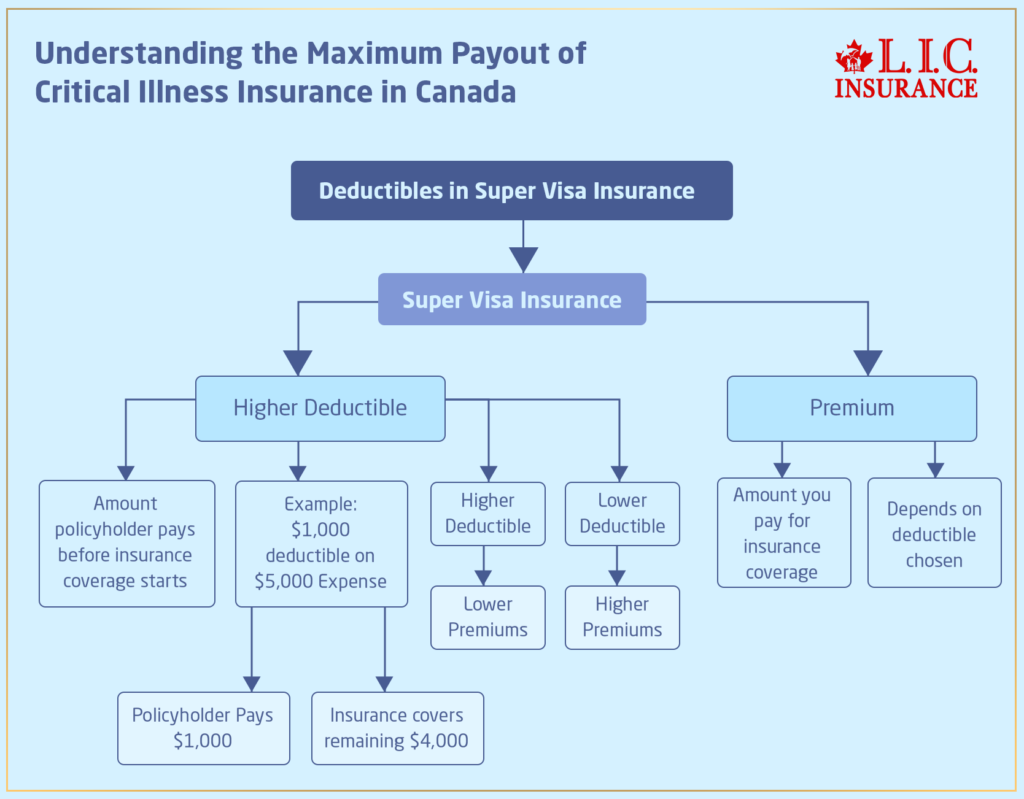
Deductibles lower the provider's reimbursement level by making the insured responsible for a specified initial cost before payouts are handled. This heavily influences the total reimbursement received, influencing the overall financial responsibility in times of loss.